From Bench to Booth: Seven UK Craft Fairs for Emerging Jewellers in 2026
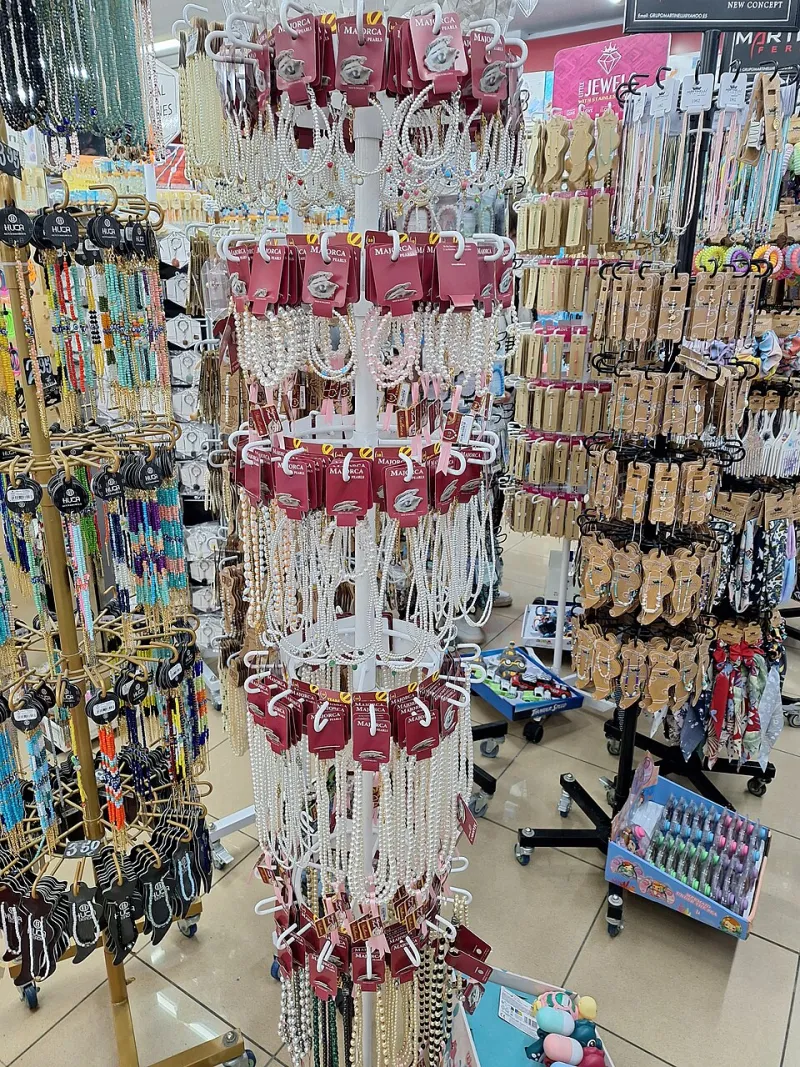
Photo: Steffen Mokosch, CC BY-SA 4.0, via Wikimedia Commons
For emerging jewellers, the first craft fair is often a threshold event. It is the point at which a private practice becomes a public one, and where questions of collection, pricing and presentation are tested in real time. In 2026, the UK craft fair circuit remains varied: there are graduate showcases, trade-only events, design-led public fairs and regional craft festivals. Each serves a different purpose, and choosing the right one matters as much as making the work.
Choosing the Right Fair
The first decision is whether an event is for the trade, the public, or both. Trade fairs are attended by retailers, gallery buyers and press. They can lead to stockists, but they require a professional stand, clear wholesale pricing and the stamina for several days of conversations. Public fairs are more immediate: visitors may buy on the day, but they also expect a welcoming display, accessible price points and packaging that protects the work. Graduate events occupy a middle ground, offering exposure and mentorship alongside sales.
Cost is another factor. Stand fees vary widely, and they are only part of the budget. Travel, accommodation, display materials, insurance, card payment fees and stock all add up. A fair that looks affordable on paper may become expensive once the full cost of exhibiting is counted. It is worth applying to one or two events in the first year rather than spreading resources too thinly.
The following seven events illustrate the 2026 landscape. Where an application deadline for a 2026 edition has already passed, the notes indicate the typical window for the next cycle. Dates and fees should always be checked with the organiser.
Seven Fairs to Consider in 2026
New Designers, London
Held in late June or early July, New Designers is a graduate-focused showcase with a strong jewellery and precious metalwork presence. Stand costs are often shared through university courses, which makes it more accessible than many commercial fairs. Audience: trade, press, recruiters and the public. Application windows typically open in early spring through participating courses.
Great Northern Contemporary Craft Fair, Manchester
A well-established public fair held in October. It attracts a craft-conscious audience and collectors, with a reputation for high-quality making. Stand fees for a shared or small stand are typically in the mid-hundreds of pounds, with corner stands costing more. Applications usually close in late spring.
British Craft Trade Fair, Harrogate
A trade-only event held in April. It is aimed at retailers and buyers rather than the public, so a wholesale price list and professional display are essential. Stand costs are higher than public fairs, but the event can lead to ongoing stockists. Application deadlines typically fall in the autumn and winter before the fair.
Top Drawer, London
A large trade show held in January and September. It is a significant investment for an emerging jeweller, with stand costs and display requirements to match. It suits makers who already have a production schedule and can supply retailers reliably. Application deadlines are usually several months ahead.
MADE London
A design-led public fair held in October, with a focus on contemporary craft and jewellery. It attracts buyers looking for distinctive, well-made work. Stand fees are moderate to high depending on position and size. Applications typically close in the summer.
Craft Festival, Bovey Tracey
A long-running public craft festival in Devon, usually held in June. It has a relaxed, regional character and a loyal audience. Stand fees are relatively modest, but travel and accommodation should be budgeted for. Applications generally open in the autumn and close in early spring.
Handmade in Britain, London
A public selling event held in November, with a curated selection of contemporary makers. It suits jewellers with a clear collection and a strong display. Stand costs are in the hundreds to low thousands depending on size. Applications typically close in the summer.
Preparing a Cohesive Collection
A collection is not simply a group of pieces made in the same season. It is a set of work that shares a visual or material logic. That logic might be a repeated motif, a restrained colour palette, a common finish or a consistent approach to scale. Buyers respond to coherence because it helps them understand what a maker stands for.
For a first fair, a collection of fifteen to thirty pieces is often enough, provided the range covers different price points. Include a few lower-priced items for spontaneous purchases, a middle range for gifts and everyday wear, and one or two statement pieces to anchor the display. Avoid showing every experiment; edit ruthlessly. A smaller, resolved collection reads as more professional than a large, uncertain one.
Pricing for Retail
Pricing is where many emerging jewellers lose confidence. A common starting point is to calculate materials, labour and overheads, then apply a multiplier. Labour should be costed at a realistic hourly rate, not an aspirational one. Overheads include studio rent, tools, insurance, packaging and card fees. For retail, a multiplier of between two and three times the cost is typical in the craft sector, though it should be tested against comparable work.
It is also wise to prepare a wholesale price list for trade events. Wholesale prices are usually around half the retail price, which means the retail price must already account for that margin. Do not agree to wholesale terms that leave no profit after materials and labour.
Designing a Display That Attracts Buyers
A craft fair stand is a small stage. The aim is not to fill every surface but to guide the eye. Height helps: a raised shelf or display block can bring necklaces and earrings closer to eye level. Lighting should be warm and directed at the work, not at the visitor. Mirrors are useful for jewellery, but they should be placed so that they do not create glare.
Price labels should be clear and consistent. Visitors often hesitate to ask for prices, and unclear labelling can cost a sale. Keep packaging beneath the table rather than on it, and leave space for a card payment terminal and a visitor book. A small sign with the maker's name and a short description of the materials or process can answer questions before they are asked.
Holt's Academy graduates who have exhibited at UK fairs often mention the same lesson: the display should make the work easy to see and easy to buy. That means fewer pieces arranged with care, not more pieces arranged in haste. It also means being present. A maker who stands, makes eye contact and offers a brief greeting will usually sell more than one who sits behind a table reading.
After the Fair
Record what sold, what did not, and what visitors asked about. Follow up with trade contacts within a week. Review the display while it is still fresh in mind. The first fair is rarely the most profitable, but it is often the most instructive. In 2026, with careful selection and preparation, it can also be the beginning of a sustainable pattern of selling.