The Fair Price Ledger: Costing Early-Career Jewellery as a Bench Skill in 2026
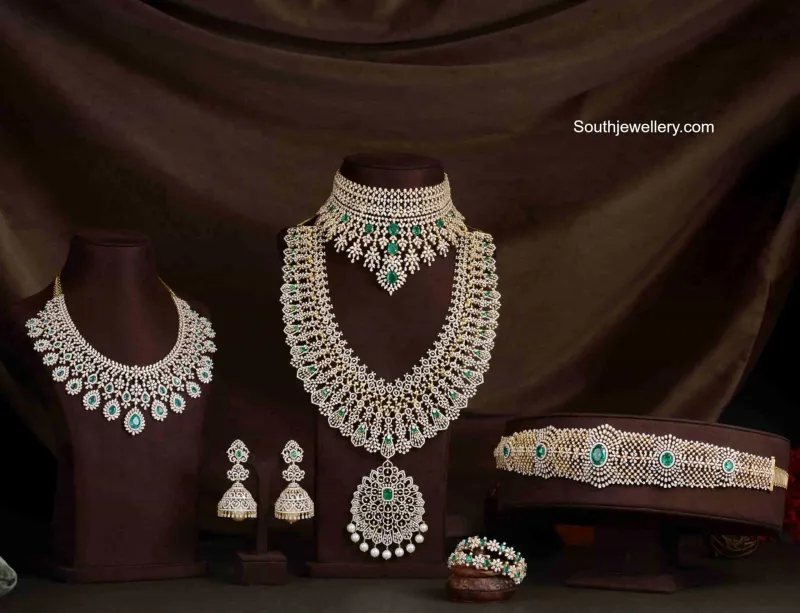
Photo: jewellery maker cost sheet calculator silver materials UK studio, via www.southjewellery.com
At student markets and degree shows across the UK, price tags often tell a familiar story: material cost plus a vague hourly figure, rounded down because the maker is not yet sure what the work is worth. The result is not humility. It is invisible labour, unrecovered overheads and a quiet subsidy paid by the jeweller. Pricing deserves the same rehearsal as a soldered joint. It is a bench skill, not an administrative afterthought.
The underpricing habit
Underpricing is rarely a simple arithmetic error. It is a set of habits: comparing a hand-finished silver pendant to a high-street accessory, treating student status as a permanent discount code, and fearing that a fair price will drive away the first customers. Those fears are understandable, particularly in a market where materials costs have been volatile and studio rent in UK cities remains significant. But underpricing has consequences. It prevents reinvestment in tools and training, encourages burnout, and makes it harder for early-career makers to raise prices later without appearing inconsistent. A fair price is not a claim of mastery. It is a record of what the work actually costs to make and sell.
Start with a material ledger, not a receipt shoebox
Materials costing should include metal, findings, stones, packaging and consumables. Solder, saw blades, drill bits, polishing compounds, investment and test pieces all belong in the ledger. A simple wastage allowance of ten to fifteen per cent is sensible for student work, where trial and error are part of the process. UK suppliers' prices should be checked at the time of costing, not remembered from an earlier project. Batch costing helps: if a sheet of silver makes five pendants, the offcuts and failed attempts still have a cost. The material ledger is not meant to be forensic. It is meant to be honest.
Bench hours: the number students avoid
Labour is where most student costing collapses. The common mistake is to count only the visible making time. Design, sampling, admin, photography, packing and travel to a fair are all part of the cost of selling a piece. Students should time three representative projects properly, including the unglamorous stages, and use those figures to build estimates. An hourly rate should be calculated from a realistic desired annual income divided by billable hours, then adjusted for early-career experience. That rate may be lower than a master jeweller's, but it should not be zero. A zero labour rate teaches the wrong lesson and makes it harder to see which pieces are genuinely viable.
Overheads that follow the work home
Overheads do not disappear because the bench is in a kitchen. Studio rent, insurance, tool depreciation, software, website hosting, card fees, exhibition fees and training all need to be recovered across the year's output. A simple approach is to estimate annual overheads, divide by the number of pieces or billable hours expected, and add that figure to each cost sheet. The number will be approximate, but approximation is better than omission. Students who track overheads begin to see why two pieces with the same material cost can have very different commercial realities.
The ledger in practice: a five-line calculation
A workable cost sheet has five lines: materials, labour, overhead, contingency and margin. Materials plus labour plus overhead gives the break-even cost. Contingency covers breakage, remakes and the occasional underestimated task. Margin is not greed; it is the surplus that allows a practice to survive a quiet month, invest in better equipment and pay for training. For wholesale work, the resulting figure is the wholesale price. A retail price is then set at roughly double wholesale, or a little more, so that a gallery or shop can take its commission without the maker subsidising the stockist. The exact multiplier is a business decision, but the principle is not: commission should be built into retail, not deducted from the maker's labour.
Wholesale, retail and the gallery conversation
UK galleries and craft shops often work on sale-or-return or wholesale terms. Early-career makers should be clear about lead times, packaging, minimum orders and recommended retail prices. Undercutting a stockist online is a fast route to lost relationships. Consistency matters more than a single sale. A wholesale price that leaves no room for the gallery's margin is not a wholesale price; it is a discount that the maker has chosen to absorb. Treat the conversation as part of the craft: prepared, calm and documented.
VAT: a threshold, not a cliff
The UK VAT registration threshold is a planning matter, not a moral one. Makers approaching the current threshold should model what registration would do to their prices, records and margins before they cross it. The threshold can change, so check HMRC guidance for the current figure rather than relying on memory. If a maker is not VAT-registered, prices should not imply VAT. If registration is imminent, cost sheets should show both scenarios. The goal is to avoid a sudden administrative shock and to price with the threshold in view.
The psychology of a fair price
A fair price needs a fair sentence. Students should practise saying the price without apology, without a nervous laugh and without immediately offering a discount. Compare the work to the cost of repairing a failed fastening or replacing a lost earring, not to a mass-market accessory. Offer tiers where appropriate: a simpler chain, a more complex pendant, a bespoke commission. Do not discount labour to win a sale. Student status is a stage of training, not a permanent coupon.
Teaching pricing alongside making
Pricing belongs in the curriculum, not in a single business lecture at the end of the year. Peer review of cost sheets, visiting maker talks and realistic market exercises all help. At Holt's Academy, the argument is straightforward: a jeweller who cannot cost a piece cannot fully understand it. The fair price ledger is another bench tool. Used regularly, it turns pricing from a source of anxiety into a disciplined part of early-career practice.