The Closing Bell and the Open Brief: UK Student Jewellery Competitions in Late 2026

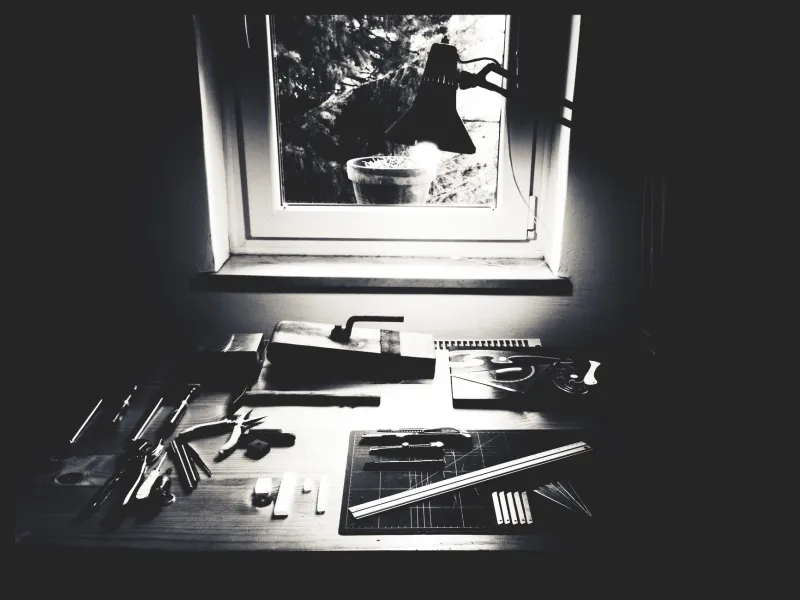
Photo: jewellery student bench sketchbook competition entry UK, via image3.slideserve.com
By mid-November 2026, the UK student jewellery year has entered its awkward final phase. Degree shows are behind many graduates, module hand-ins are approaching for others, and the next round of national awards is already asking for images, statements and finished work. A competition calendar is therefore not a wall chart of deadlines. It is a bench-planning document, and it should be read beside the teaching timetable rather than instead of it.
Read the brief as a bench instruction
A jewellery brief is a set of constraints before it is a creative invitation. Before sketching, identify the material requirements, scale limits, permitted processes, presentation format and eligibility rules. If the brief demands enamel work and your course has no kiln access, it is not a bench fit. If it asks for CAD renders but your strength is hand-fabrication, the mismatch will show in the submission. Choose calls that let you demonstrate the making you can defend in a tutorial or a viva.
The strongest competition entries are not always the most ambitious. They are the ones where the maker has understood what the judge needs to see: a resolved object, a clear idea and evidence of controlled decision-making. A modest piece with a coherent process file will usually read better than an overextended piece with a thin rationale.
A late-2026 calendar to monitor
The following calls are indicative rather than exhaustive. Dates move, categories change and student eligibility is often defined narrowly. Treat this table as a prompt to open the organiser's page on the same day you open your bench diary.
| Call to monitor | Typical UK window | Brief note | Submission evidence |
|---|---|---|---|
| Goldsmiths' Craft & Design Council Awards | Autumn call, winter close; 2027 cycle now | Standards-led awards with student and professional categories | High-resolution images, maker statement, technical notes; check eligibility and hallmarking rules |
| New Designers | Spring selection, summer show | Graduate showcase rather than a prize | Course nomination, portfolio, physical work, delivery and insurance plan |
| RSA Student Design Awards | Autumn brief release, spring submission | Broader design briefs; jewellery may fit selected themes | Research, prototypes, impact statement and a clear response to the brief |
| Creative Conscience Awards | Spring and autumn cycles | Ethical and social design briefs; craft entries can fit | Project rationale, evidence of materials, images and a concise written case |
A calendar entry is only useful if it includes the work behind the deadline. Put the submission date in your diary, then work backwards through photography, statement writing, hallmarking if required, packing and delivery. Add at least a fortnight of buffer. Postal and courier systems are not bench tools and cannot be relied upon to behave.
Protect the coursework
Competition work has a habit of expanding. A piece that begins as a side project can consume the hours reserved for an assessed module, and the result is two weak outcomes rather than one strong one. Before committing, estimate the full bench time: cutting, filing, soldering, setting, polishing, photography and writing. Then add roughly a third. If the total does not fit around teaching, part-time work and sleep, the brief is not suitable for this term.
Where course regulations permit, use module projects as test beds for competition ideas. Keep the assessed piece separate if the rules require it. Do not cannibalise a hand-in to feed an award entry. Book bench time in the same way you would book a tutorial, and make test coupons before the final piece so that failures happen in scrap rather than in the submission.
Process evidence judges can use
Judges see the finished object and a file. They do not see the late evenings, the failed solder seams or the sixth version of a clasp. Process evidence should therefore be selective and legible. A dated sketchbook, labelled samples, photographs at rough, annealed, soldered, set and polished stages, and a short decision log will do more than a folder of atmospheric bench shots.
Record material choices, alloy, stone details and any reclaimed metal. If a piece was remade, say why. If a technique was rejected, note the reason. This is not confession; it is evidence of judgement. Keep the file tidy, caption images and make sure the statement matches the object. A judge can usually tell when the writing has been added after the making.
Submission is a bench skill
Read the image specification before you photograph the piece. Check dimensions, weight, alloy and stone descriptions. Confirm whether the work must be unmarked for judging or hallmarked before delivery. Insure the piece for transit, label the packaging and keep copies of every form. These tasks belong on the bench plan, not on the final afternoon.
A closing checklist
- Confirm eligibility and category before making.
- Enter the deadline with a two-week buffer.
- Estimate bench hours and protect taught work.
- Make test coupons and record failures.
- Photograph stages as well as the finished piece.
- Check statement length and image specifications.
- Confirm hallmarking, insurance and delivery requirements.
As 2026 closes, the useful question is not which competition looks most prestigious. It is which brief will make you a more deliberate jeweller without damaging the work that already has a deadline. Choose the call that fits the bench, document the process honestly and let the calendar serve the making.